
Safe Abortion: Why Medical Supervision Matters
Evidence-based guidance for Indian women and NRIs on staying safe during reproductive healthcare
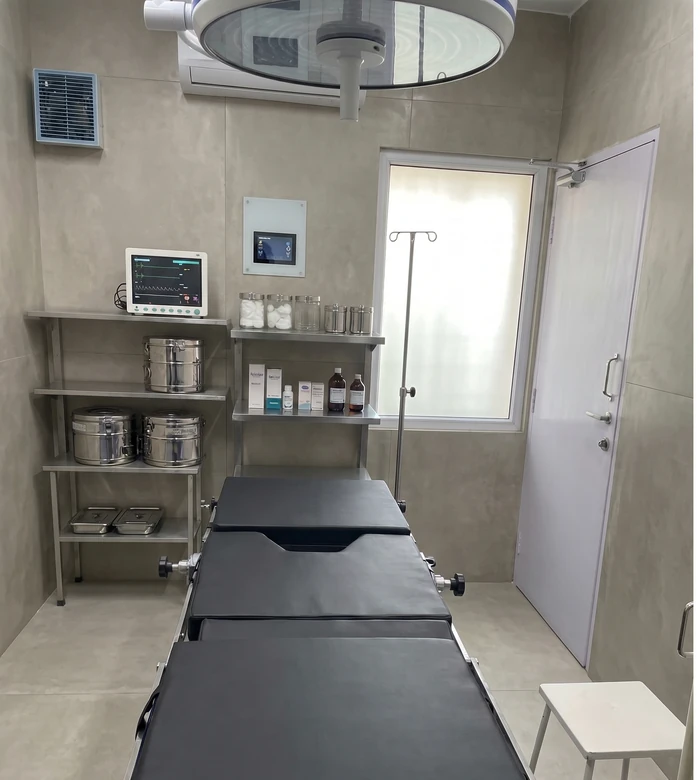
Every year, women are harmed not by abortion itself, but by unsafe abortion — procedures or medications taken outside proper medical supervision. The single biggest factor separating a safe outcome from a dangerous one isn't the method chosen; it's whether a qualified gynaecologist is involved from start to finish.
What "Medical Supervision" Actually Means
It's not just having a doctor's name attached to your case — it means a specific sequence of checks designed to protect you:
- Pregnancy dating via ultrasound, to confirm exactly how far along you are before any treatment decision.
- Ruling out ectopic pregnancy — a pregnancy outside the uterus, which is a medical emergency that self-medication cannot detect or treat.
- Blood group and Rh factor testing, since Rh-negative women may need an additional injection to protect future pregnancies.
- Haemoglobin and general health checks, to catch anaemia or other conditions that could affect recovery.
- Scheduled follow-up, to confirm the process is complete and nothing needs further attention.
The Real Risks of Skipping Supervision
Buying abortion medication online, through unverified sellers, or from unlicensed providers is one of the most common ways women end up harmed. Without medical evaluation first, this can lead to an incomplete abortion, severe or prolonged bleeding, infection, or a missed ectopic pregnancy — any of which can become a genuine medical emergency. These risks exist regardless of where in the world you are.
Warning Signs That Need Immediate Medical Attention
- Soaking through more than two sanitary pads an hour for two or more hours
- Fever above 100.4°F (38°C)
- Severe or worsening abdominal pain
- Foul-smelling discharge
- Fainting, dizziness, or unusual weakness
If any of these occur, contact your treating doctor or the nearest emergency department right away — do not wait to see if it resolves on its own.
Choosing a Safe, Licensed Provider
A safe provider will always insist on an ultrasound before treatment, explain your options clearly, obtain your informed consent, and schedule follow-up care — never rush you through a transaction. At NewLife Hospital, every case goes through in-house ultrasound and blood testing under Dr. Yogesh Bhirud's direct supervision, with female staff present throughout for comfort and privacy.
Choose Supervised, Confidential Care
Quick Answers
What is the safest way to terminate a pregnancy?
A procedure performed or supervised by a licensed gynaecologist at a registered facility, with an ultrasound beforehand and follow-up care afterward — never an unsupervised medication regimen or unlicensed provider.
How do I know if a clinic follows safe practice?
It will insist on an ultrasound before treatment, explain your options clearly, obtain informed consent, and schedule a follow-up visit — not just perform a quick procedure and send you away.
What should I know before travelling to India for reproductive healthcare?
Confirm your fitness to travel with a doctor, bring any existing medical records, and choose a licensed, government-registered centre rather than an unverified provider.
If you're an NRI weighing your options after an unplanned pregnancy, our guide I Live in Dubai and Have an Unplanned Pregnancy — What Are My Options? walks through the decision step by step, and Can Indian Citizens Living in Dubai Travel to India for Medical Care? covers the practical logistics of travelling home for treatment.
Frequently Asked Questions (FAQ)
1. Can abortion pills bought online be dangerous?
Yes. Without a doctor's evaluation first, you have no way of confirming gestational age, ruling out an ectopic pregnancy, or knowing the medication is genuine and dosed correctly.
2. Why is an ultrasound so important before any treatment?
It confirms how far along the pregnancy is and rules out an ectopic pregnancy — a dangerous condition that can't be detected without imaging.
3. What symptoms mean I need emergency care?
Heavy bleeding, fever, severe abdominal pain, foul-smelling discharge, or fainting all warrant immediate medical attention.
4. Is follow-up care necessary even if I feel fine?
Yes. Some complications don't show obvious symptoms right away, which is exactly why a scheduled follow-up matters.
5. How do I know a provider is genuinely safe?
A safe provider will always require an ultrasound first, explain your options honestly, get your informed consent, and offer follow-up care — not just perform a quick procedure and send you away.
6. What is Rh factor and why does it matter here?
If you're Rh-negative, an injection may be needed after the procedure to protect any future pregnancies — this is checked through a simple blood test as part of proper medical evaluation.
7. Can complications from unsafe abortion be treated later?
Often yes, but delays increase risk. If you've had an unsupervised procedure and are experiencing any warning signs, seek emergency medical care immediately rather than waiting.
8. Does medical supervision cost more than doing it alone?
The value isn't just financial — supervised care catches complications early, which is precisely what protects your health and, in some cases, your ability to have children in the future.
Disclaimer: This article is educational only and does not constitute medical advice, nor does it create a doctor-patient relationship. It does not provide dosing or self-administration instructions. Any treatment is provided only after individual medical evaluation and only where legally permissible under applicable law. Readers experiencing any warning signs described above should seek emergency medical care immediately.
You Are Not Alone — We Are Here for You
Confidential same-day consultations at our government-approved MTP Centre.
Serving Virar, Vasai, Nalasopara & the Mumbai Western Railway corridor.
📞 Call Now: +91 80109 12772
💬 WhatsApp Confidential Query